


News
María José López Pourailly
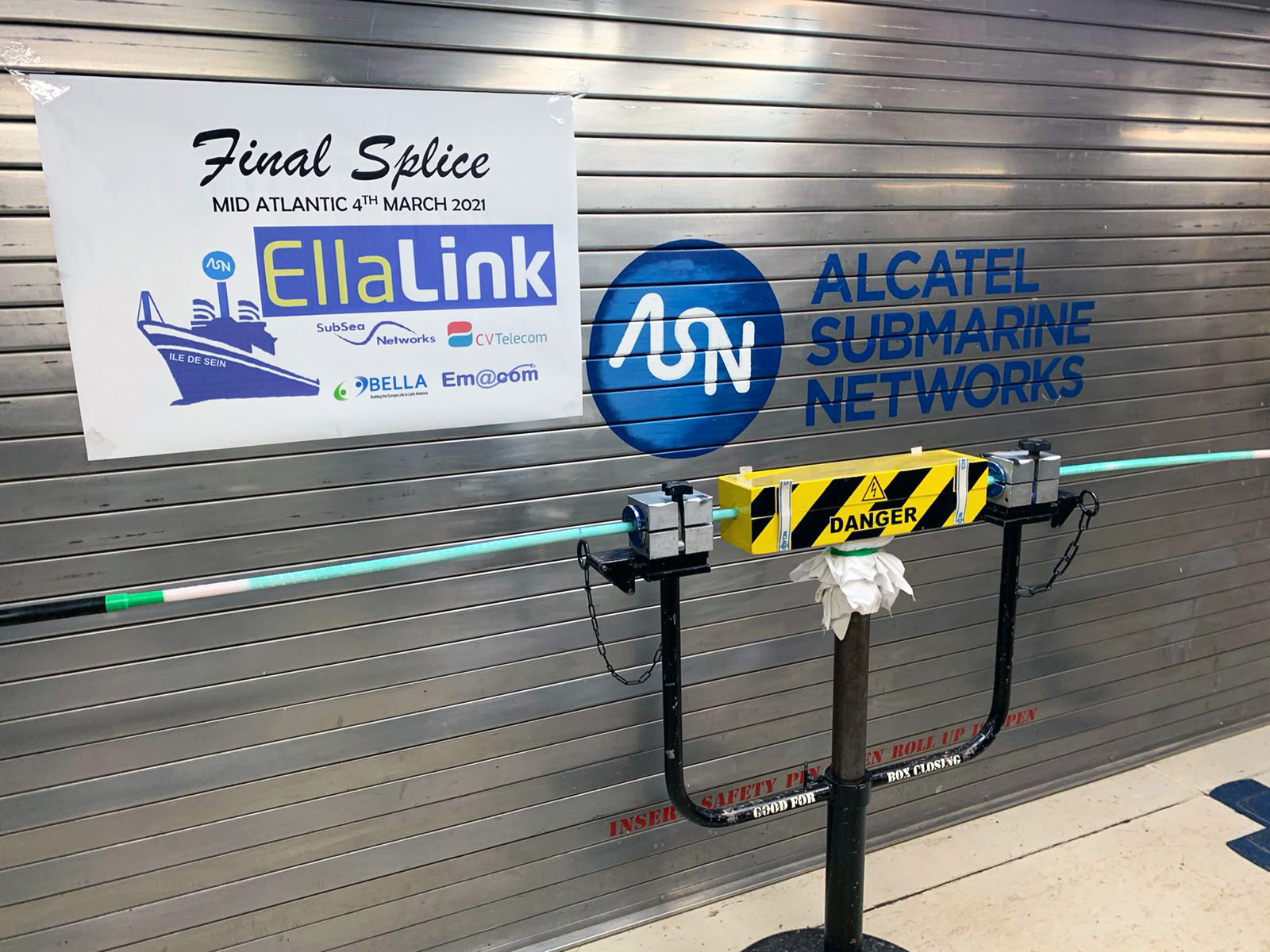
After several years of planning, procurement, preparation, building, and most importantly collaboration, the BELLA Programme today sees an incredible milestone: the final splicing – and therefore completion of construction – of the new 6,000 km EllaLink submarine cable connection that directly links Europe and Latin America. Work now begins to bring BELLA connectivity online, providing the high capacity and low latency necessary for data-intensive research and education use.
LACNIC and APNIC, the Internet address registry for the Asia Pacific region, are inviting proposals by external consultants to conduct a study on the Internet's technical success factors.
María José López Pourailly
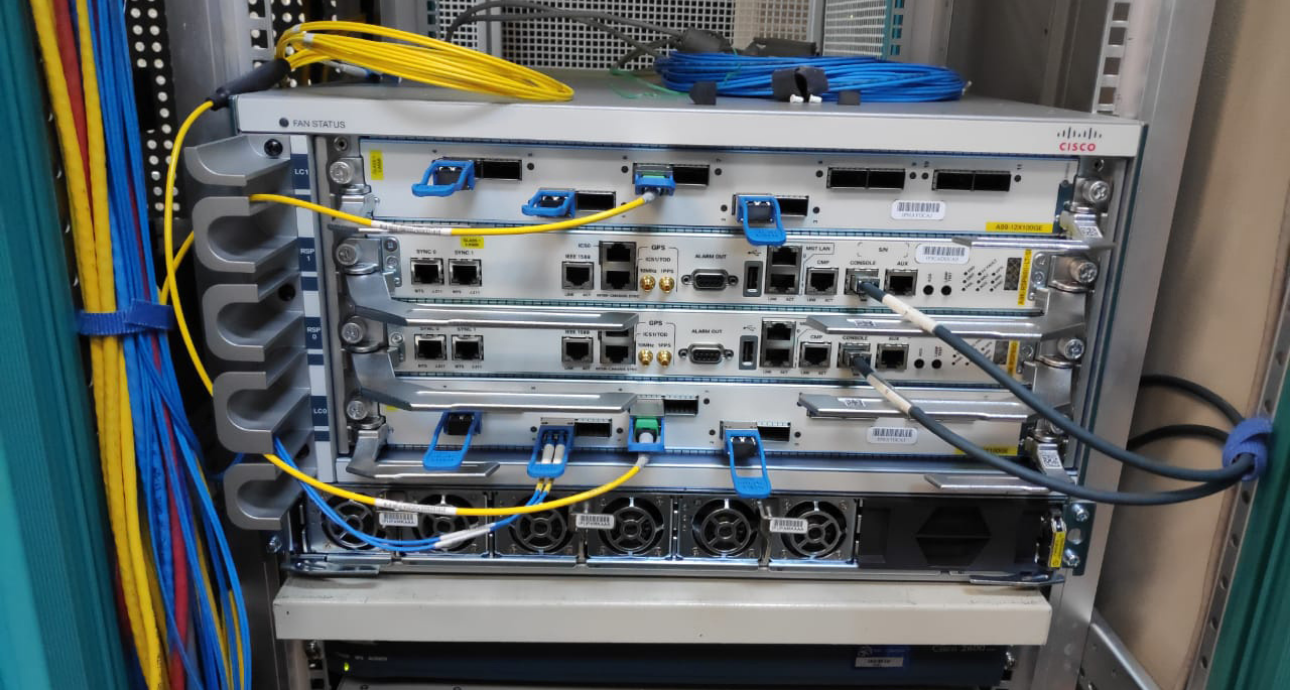
February 24, 2021: RedCLARA’s Technical Manager, Marco Teixeira, visiting the Equinix-São Paulo datacenter (Brazil), carried out the installation of the first router equipment for BELLA-T.
María José López Pourailly
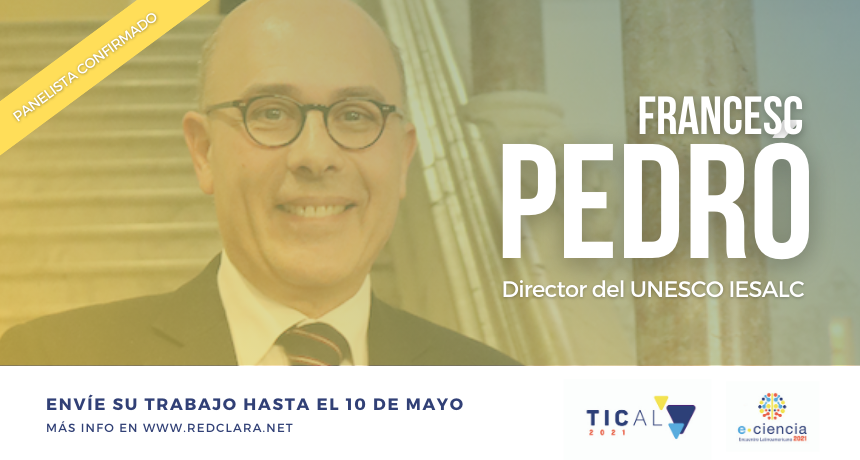
Given the pandemic, TICAL2021 and the 5th Latin American e-Science Meeting will be held, for the second consecutive year, on-line. To be held between August 30 and September 2, 2021, and with their calls for papers open, the events that bring together the ICT leaders of Latin American universities and researchers who use technology intensively for their daily work, confirmed their first international panelist: the leader of IESALC. Check out his biography here.
The terrestrial phase of the BELLA Programme (BELLA-T), in charge of completing the infrastructure of the terrestrial optic fiber network of RedCLARA, will launch the BELLA-T005 tender in March, with which it will finalize the acquisition of the telecommunications equipment and necessary services to finish the project.
María José López Pourailly
The new strategy of the International Development Research Center (IDRC) - Canada-based institution - reaffirms its commitment to invest in high quality research and innovation, expanding its focus on sharing knowledge and continuing to mobilize global alliances to support more sustainable and inclusive societies in the developing world, facing the problems of global climate change and persistent inequalities that today are especially aggravated by the COVID-19 pandemic.