


Red Universitaria de Telemedicina de América Latina and the Caribbean
(RUTE-ALC)
RUTE-AL seeks regional integration of health in Latin America, from academic networks and in collaboration with the various actors and professionals of health institutions. Its objective is to expand and strengthen scientific and educational cooperation in health in Latin America through the implementation of collaborative activities that support the development of a regional telemedicine network based on the experience of the University Telemedicine Network (RUTE) of Brazil.
Watch the videos of the RUTE-ALC webinars
Contact
If you have any questions, queries or ideas, please contact us by email: rute-alc@redclara.net.
RUTE-ALC 2026 Session Schedule
|
DATE |
TITLE |
SIG |
|
18-mar |
Redes Nacionales como actores clave en el área de la Salud Digital |
Ambos |
|
19-mar |
Evolución de la citología ginecológica en américa latina y el caribe |
Citotecnología |
|
08-abr |
Bioinformática e Informática en la Salud en América Latina y el Caribe |
Salud Digital |
|
15-abr |
Políticas públicas de salud en América Latina y el Caribe |
Salud |
|
16-abr |
La citología cervicovaginal en la era del test molecular |
Citotecnología |
|
29-abr |
IA - IA versus estándares de datos |
Salud Digital |
|
13-may |
Indicadores TIC en Salud en América Latina y el Caribe |
Salud Digital |
|
03-jun |
Gobernanza de datos de salud en América Latina y el Caribe |
Salud Digital |
|
17-jun |
Salud humana, animal y ambiental - OneHealth y cambio climático en América Latina y el Caribe |
Salud |
|
25-jun |
Innovación y talento humano en salud |
Citotecnología |
|
01-jul |
Organismos Internacionales y Políticas de Salud Digital en América Latina y el Caribe |
Salud Digital |
|
16-jul |
ROSE en citotecnología general |
Citotecnología |
|
29-jul |
Competencias Digitales en Salud en América Latina y el Caribe |
Ambos |
|
19-ago |
Los determinantes sociales de la salud en el contexto de América Latina y el Caribe |
Salud |
|
27-ago |
Control de Calidad en Citología Cervicovaginal |
Citotecnología |
|
02-sept |
Oportunidades y riesgos específicos de las tecnologías emergentes: seguridad, sesgos, deuda cognitiva |
Ambos |
|
08-sept |
Definición de competencias y como integrarlas al currículum en la formación de los profesionales de salud. |
Competencias |
|
16-sept |
Salud en la academia (docentes y dicentes) en el contexto de América Latina y el Caribe |
Salud |
|
17-sept |
Citología Cervical: El Poder de la Citología en la Prevención del Cáncer Oral y Anal |
Citotecnología |
|
07-oct |
Ciberseguridad en salud: protección de datos y sistemas críticos en el contexto de ALC |
Salud Digital |
|
13-oct |
Realidad de la incorporación de competencias en salud digital en los sistemas de salud. |
Competencias |
|
21-oct |
La coexistencia de la obesidad y el hambre en América Latina y el Caribe |
Salud |
|
04-nov |
Tecnologías Cuánticas en la Salud en el contexto de América Latina y el Caribe |
Salud Digital |
|
10-nov |
Sesión de trabajo y análisis |
Competencias |
|
18-nov |
Gemelos digitales en el contexto de América Latina y el Caribe |
Salud Digital |
|
19-nov |
Aplicaciones de la Inteligencia Artificial en la Citotecnología |
Citotecnología |
|
09-dic |
Evaluación y planificación RUTE-ALC 2027 |
Ambos |
|
15-dic |
Presentación de resultado del análisis y trabajo del semestre |
Competencias |
|
17-dic |
Encuentro final |
Citotecnología |
About RUTE-ALC
Upon registration, any health institution can participate in the sessions but only research and teaching institutions that are members of the academic networks can create new SIGs (Special Interest Groups).
Through the links of RedCLARA (Latin American Cooperation of Advanced Networks) with the academic networks and the articulations between specialists, the participating institutions count on the collaboration of associated networks in Latin America, Europe, Asia, Australia, United States, BRICS countries and Portuguese-speaking countries.
Academic Networks signing the creation of RUTE-ALC
- CEDIA, Corporación Ecuatoriana para el Desarrollo de la Investigación y la Academia (Ecuador)
- CUDI, Corporación Universitaria para el Desarrollo de Internet (University Corporation for the Development of the Internet) (Mexico)
- RENATA, Red Nacional Académica de Tecnología Avanzada (Colombia)
- REUNA, Red Universitaria Nacional (National University Network) (Chile)
- RNP, Rede Nacional de Ensino e Pesquisa (Brazil)
- RedCONARE, Red del Consejo Nacional de Rectores (Costa Rica)
The members of these academic networks can already be part of RUTE-ALC. Academic Networks that are not yet integrated can apply for registration to RedCLARA.
RUTE-ALC has national chapters in Brazil, Chile, Colombia and Ecuador.
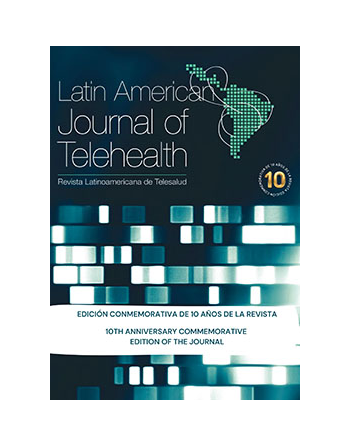
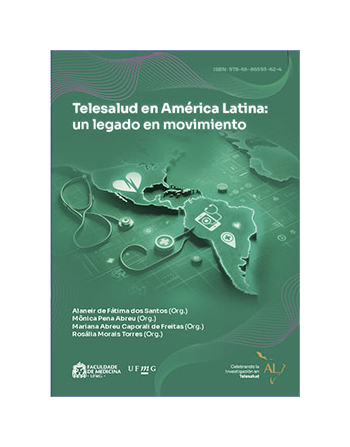
Publications
Frequent Asked Questions
Health professors create special interest groups (SIGs), exchange knowledge in various specialties and practice with each other, residents and students. This creates the integration, collaboration and sustainability of knowledge in a network. The establishment of relationships, the generation of articulations, projects and research initiatives are carried out through this coordination, which is for the benefit of the members.

Rambla República de México 6125.
Montevideo 11400. Uruguay.
Montevideo 11400. Uruguay.