


News
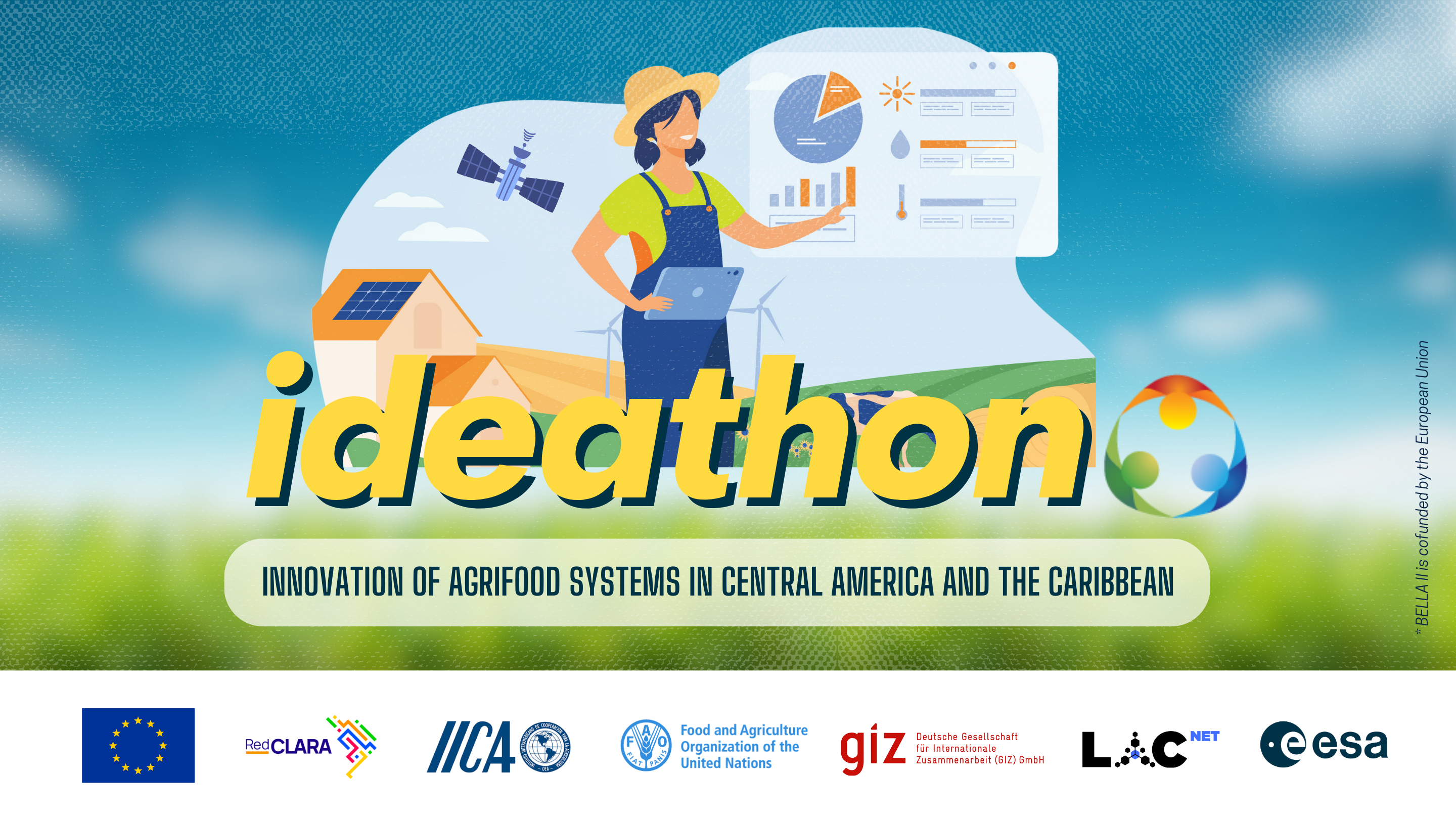
How to use the advanced technologies of digital transformation to make agri-food systems in Central America and the Caribbean more efficient, inclusive, resilient and sustainable is the challenge and the triggering question of the second BELLA II Ideathon, which will be held between February 29 and March 11, bringing together dozens of experts from universities, research centers, international organizations, collaborative ventures and government agencies related to issues of agriculture and food security, innovation and technology.
Ixchel Pérez
 Are you interested in finding out which ransomware attacked academia, which library suffered a major outage due to a cyber attack, or you might be wondering if any universities were fined due to cyber issues this past month? You will find the answers to these questions – and more – in GÉANT monthly academic cyber newsletter.
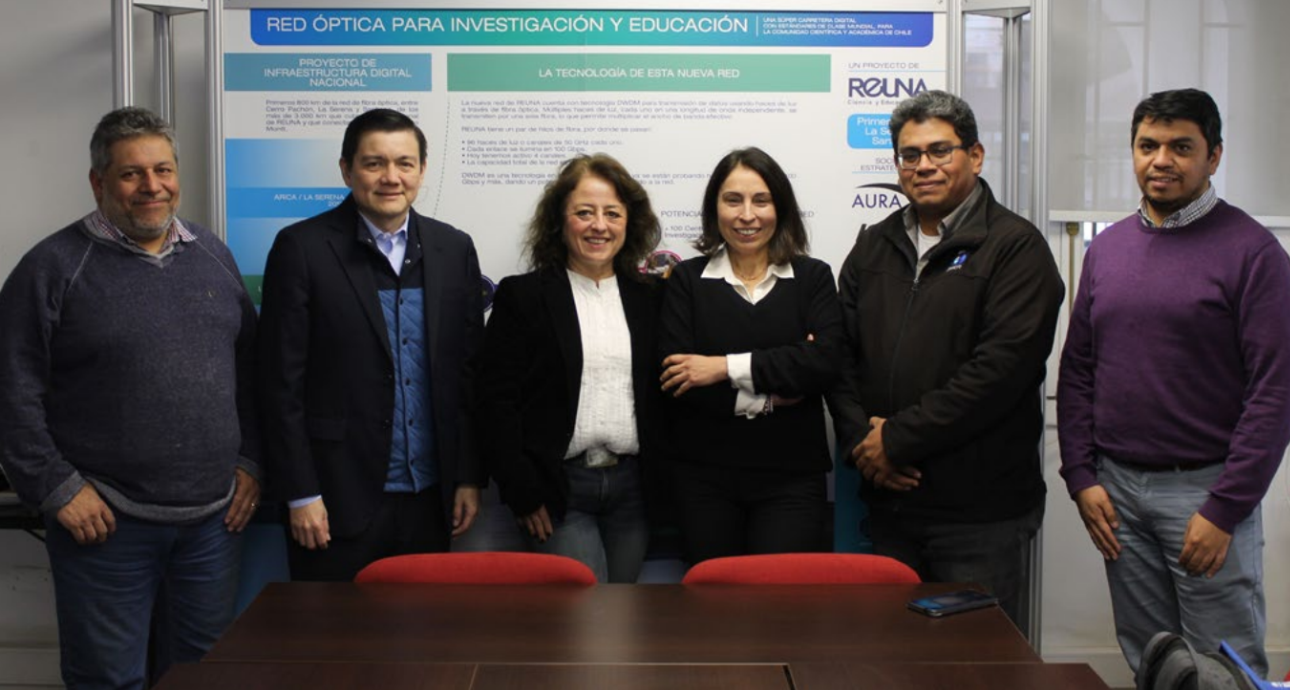
The European program's new data center will work in synergy with its Chilean counterpart, promoting scientific and digital cooperation, private sector development and business opportunities in the region.
Ixchel Pérez
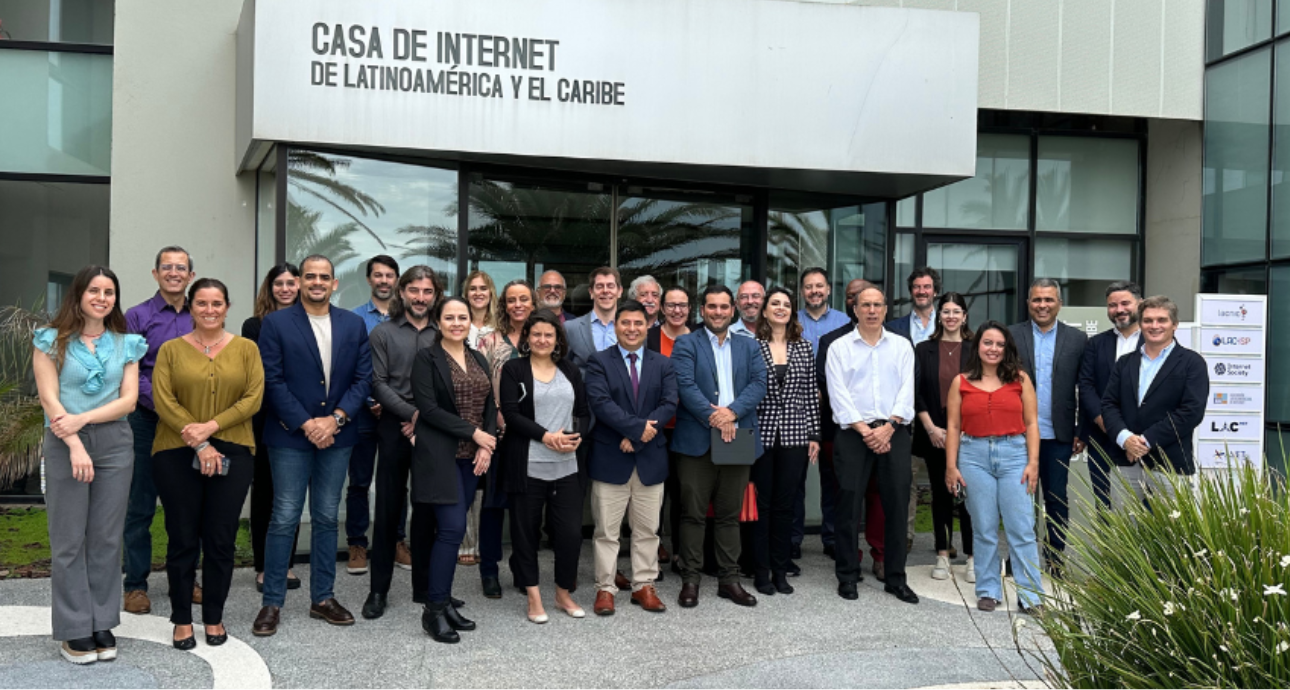
The regional Technical Community organizations coordinated a meeting with the eLAC-ECLAC Working Groups on December 12 and 13 at Casa de Internet for Latin America and the Caribbean. The event in Montevideo, Uruguay brought together representatives from LACNIC, ICANN, the Internet Society, RedClara and LACTLD with government, private sector and academia stakeholders that are currently members of the eLAC-ECLAC Working Groups on digital economy and meaningful connectivity.
Ixchel Pérez
 The initiative, which involves nine organizations from Europe and Latin America, is funded by the Horizon Europe Framework Program and began its activities in December of this year.
Ixchel Pérez
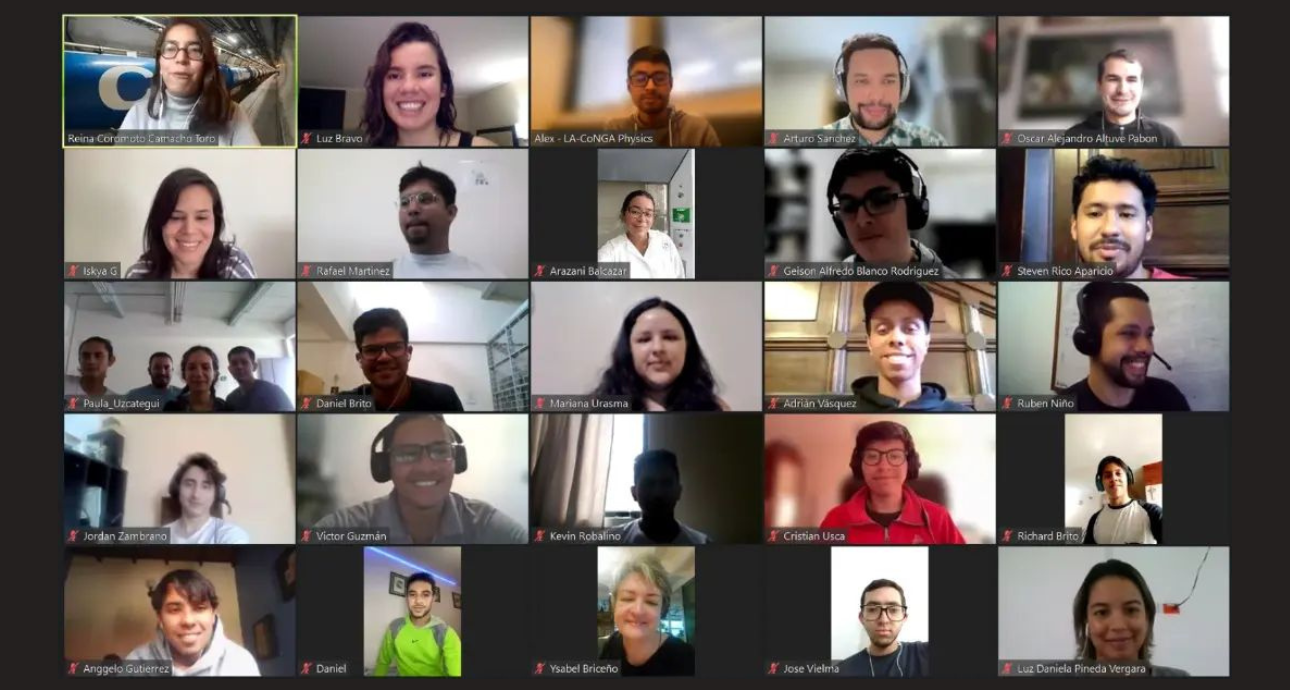
The Co-Afina 2023 hackathon was promoted by the organizing alliance of the LA-CoNGA physics project with Creative Commons Venezuela, RedClara and the Academic Network of Ecuador (CEDIA), and sponsored by the ICTP Institute and its Physics Without Frontiers (PWF) program, the Software Sustainability Institute (SSI) and the artificial intelligence company INAIT SA.