


News
María José López Pourailly
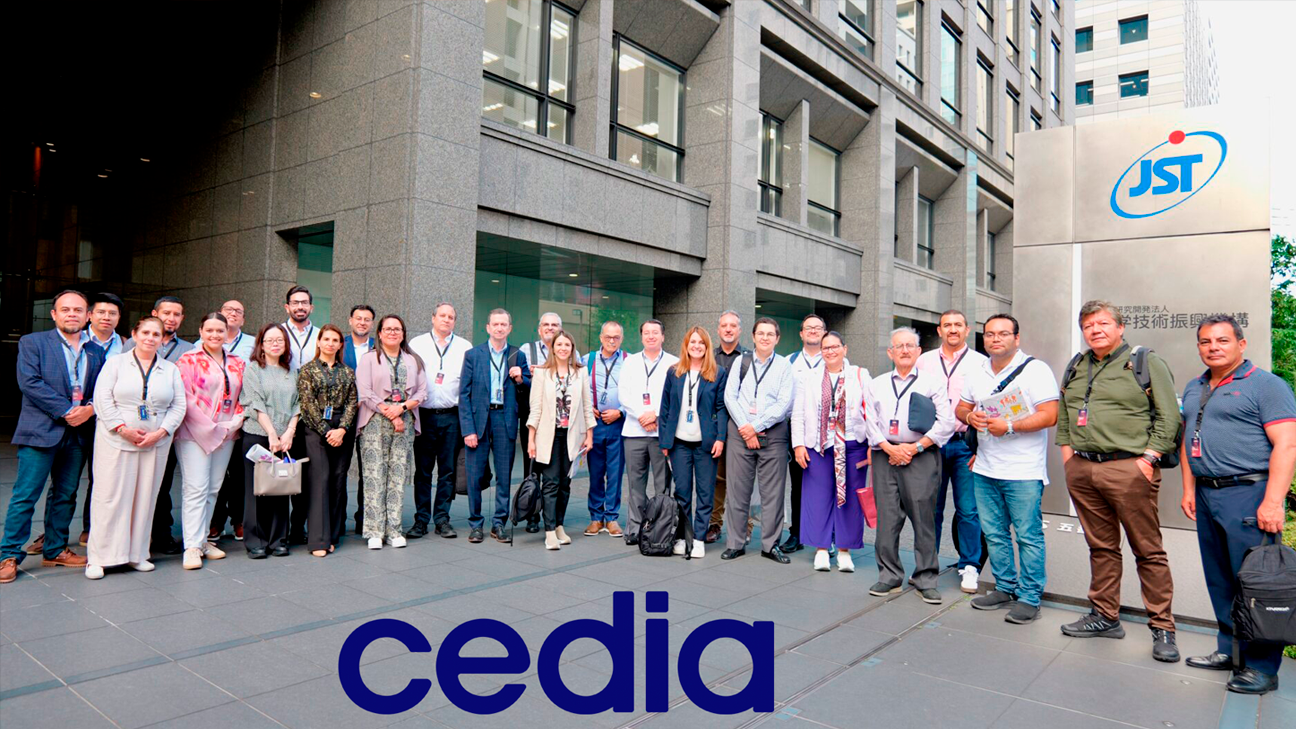
The immersive tour organised by CEDIA, Ecuador’s National Research and Education Network, for 23 Ecuadorian academic leaders between June 12 to 25, 2025, aimed to forge strategic partnerships and replicate best practices in educational innovation.
Jenny Flores
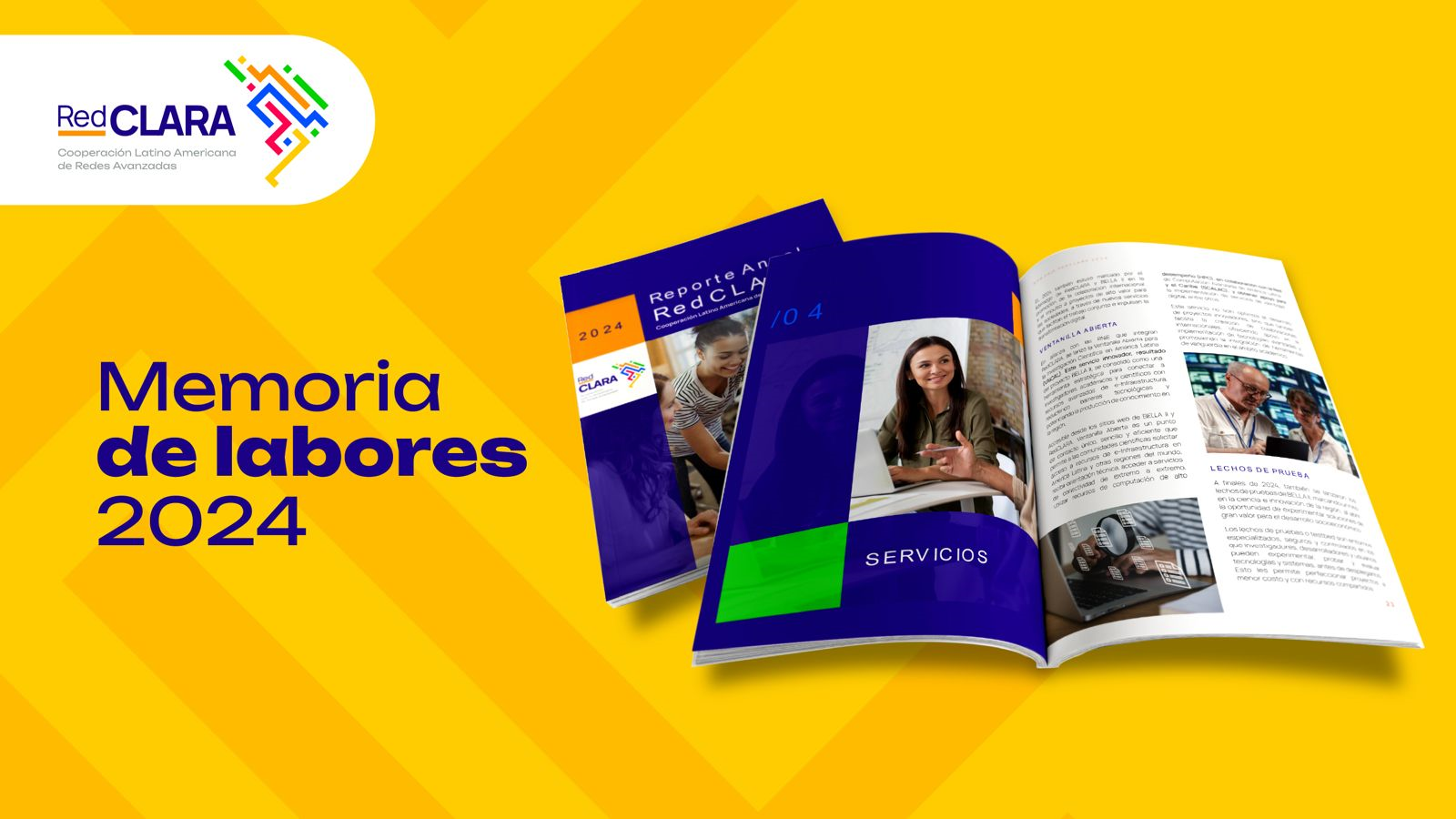
RedCLARA achieved a significant milestone in 2024. Beyond celebrating 21 years of work, the organization continued to strengthen its role as a key enabler of the digital ecosystem in Latin America and the Caribbean, laying the foundation for a new strategic phase to foster a more connected, innovative, and sustainable region.

Jenny Flores
The Copernicus Center for Latin America and the Caribbean (CopernicusLAC), based in Panama, will host the second CopernicusLAC Hackathon, a competition focused on developing innovative solutions for disaster risk reduction in the region. This initiative is part of the Global Gateway project, promoted by the European Union (through DG INTPA) and the European Space Agency (ESA), under the EU-LAC Digital Alliance.

Jenny Flores
The academic and research community is preparing for TNC25, one of the most relevant conferences of the year in the field of advanced research and education networks in Europe and worldwide. The event will take place at the Brighton Dome, in Brighton, United Kingdom, from 10 to 13 June 2025.
Jenny Flores
The Latin American and Caribbean Internet Address Registry (LACNIC) has announced the opening of the 2025 call for proposals for the FRIDA Program, an initiative that supports projects, initiatives, and solutions aimed at strengthening a global, open, stable, and secure Internet in the region. The deadline for proposal submissions is June 29, 2025.

Jenny Flores
With high environmental impact technological proposals, three teams secured the top positions in the Hackathon “Tracing the Source: Satellite Innovation in Identifying Pollutant Sources in the Motagua River Basin” , an initiative organized by Academia Copernicus Guatemala, led by the National Secretariat of Science, Technology, and Innovation (SENACYT) of Guatemala and the University of the Valley of Guatemala, with the participation of the European program Copernicus, and supported by RedCLARA within the framework of the BELLA II program.