


News
Jenny Flores
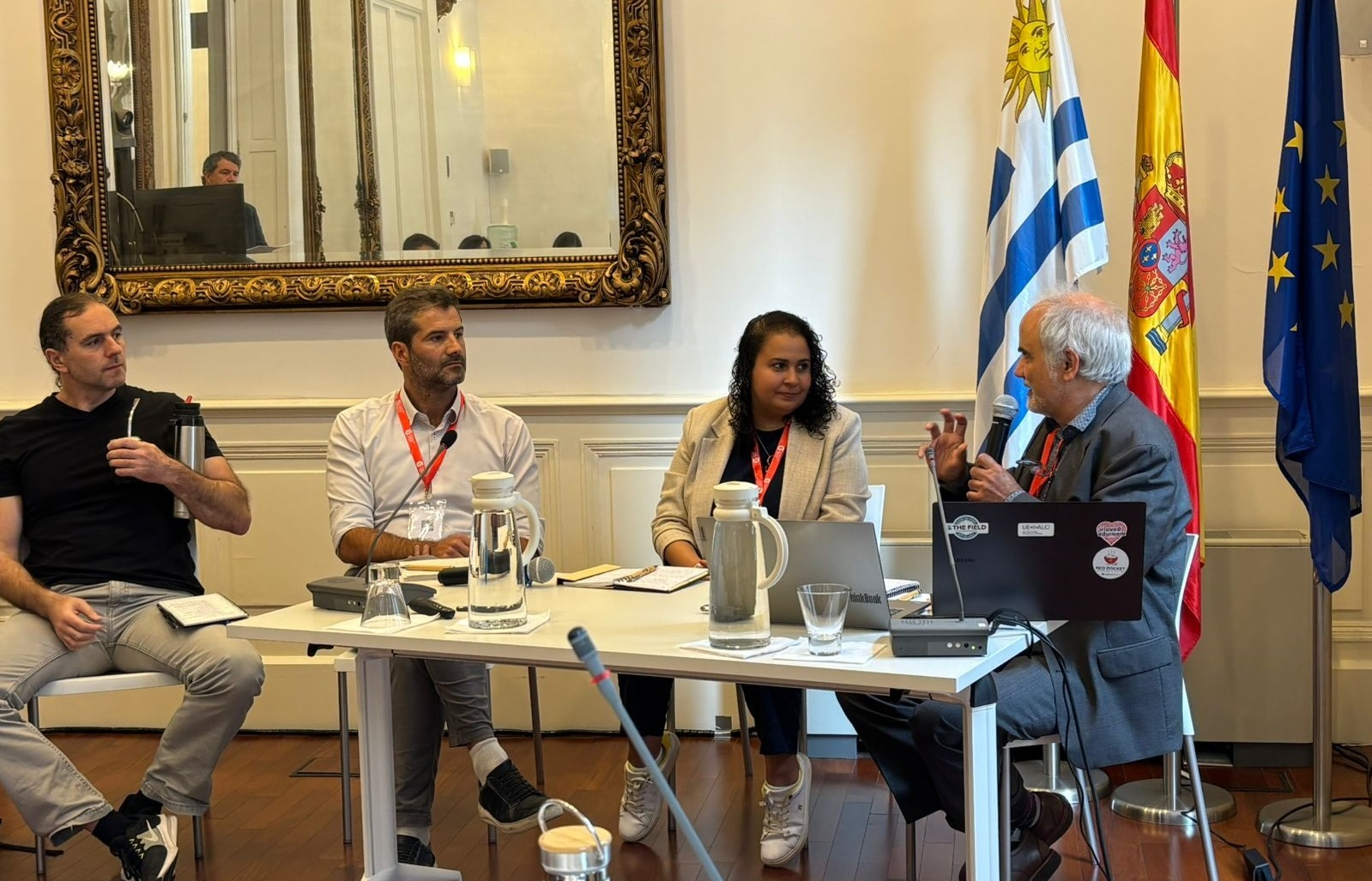
The digital transformation of research infrastructures was the central theme of the 15th meeting of the Bi-regional Working Group on Research Infrastructures (RI WG), held this past June in Vienna, Austria, under the framework of the Strategic Partnership between the European Union (EU) and the Community of Latin American and Caribbean States (CELAC). Organized by the European Commission, the meeting brought together national representatives, scientific institutions, and experts from both regions in a collaborative setting aimed at promoting open access, interoperability, and transcontinental scientific cooperation.

Jenny Flores
Starting July 22, early bird registration opens for the 2025 edition of TICAL, the conference that brings together leaders in digital transformation in higher education and research across Latin America and the Caribbean.
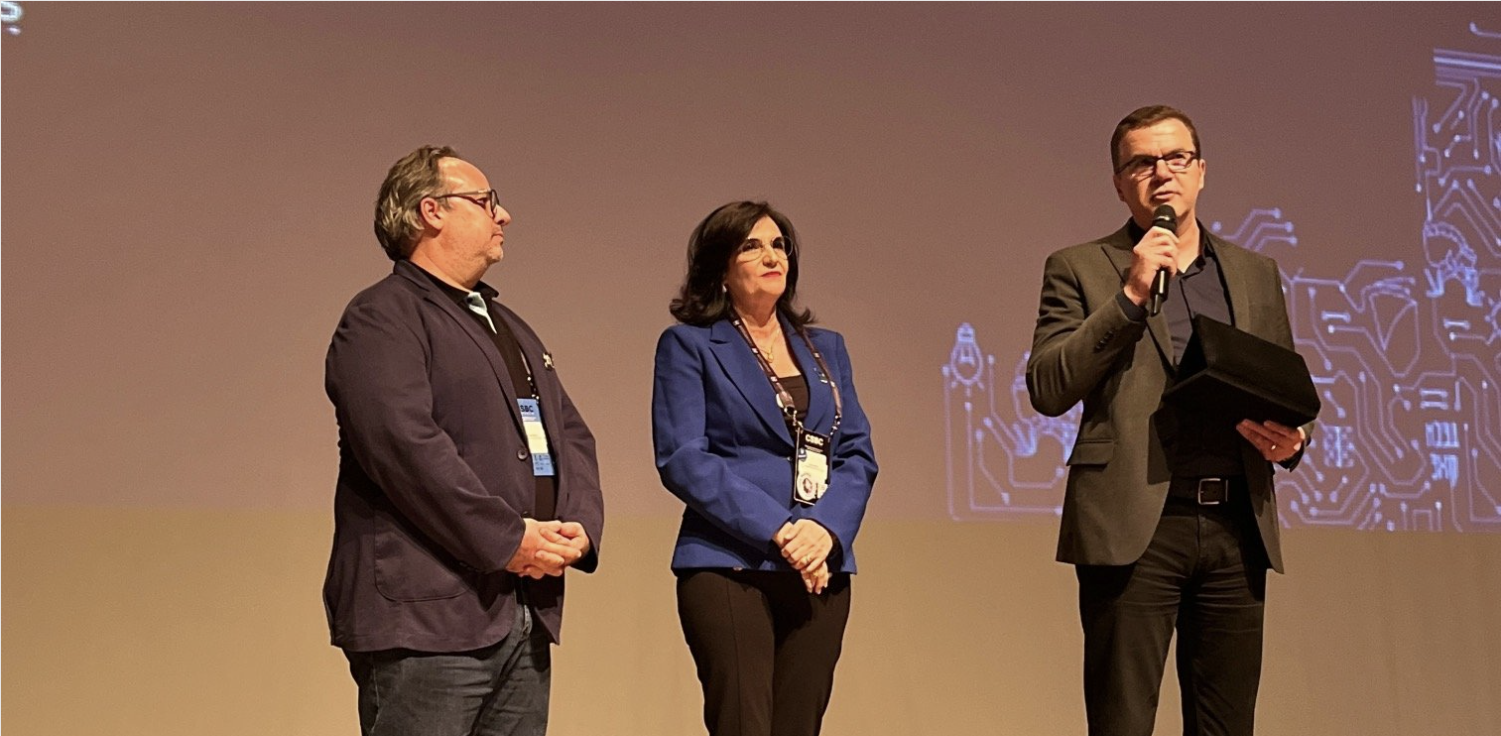
RNP General Director receives Newton Faller Award for scientific contribution to Computing in Brazil
Ixchel Pérez
RNP's general director, Lisandro Zambenedetti Granville, received the "Newton Faller Award," given annually to members of the scientific community who have distinguished themselves for their services to the Brazilian Computer Society (SBC).

Jenny Flores
Organized by CIEMAT and AECID, with the support of CYTED, ResINFRA Plus, and RedCLARA, the event brought together experts from over 20 countries to explore how this new way of conducting science can transform collaboration and access to knowledge.

Ixchel Pérez
With the theme of 'Technologies that connect and transform us', this 14th edition of the event will bring together leaders, specialists, and agents of change from the fields of education, science, health, culture, and defence.
Jenny Flores
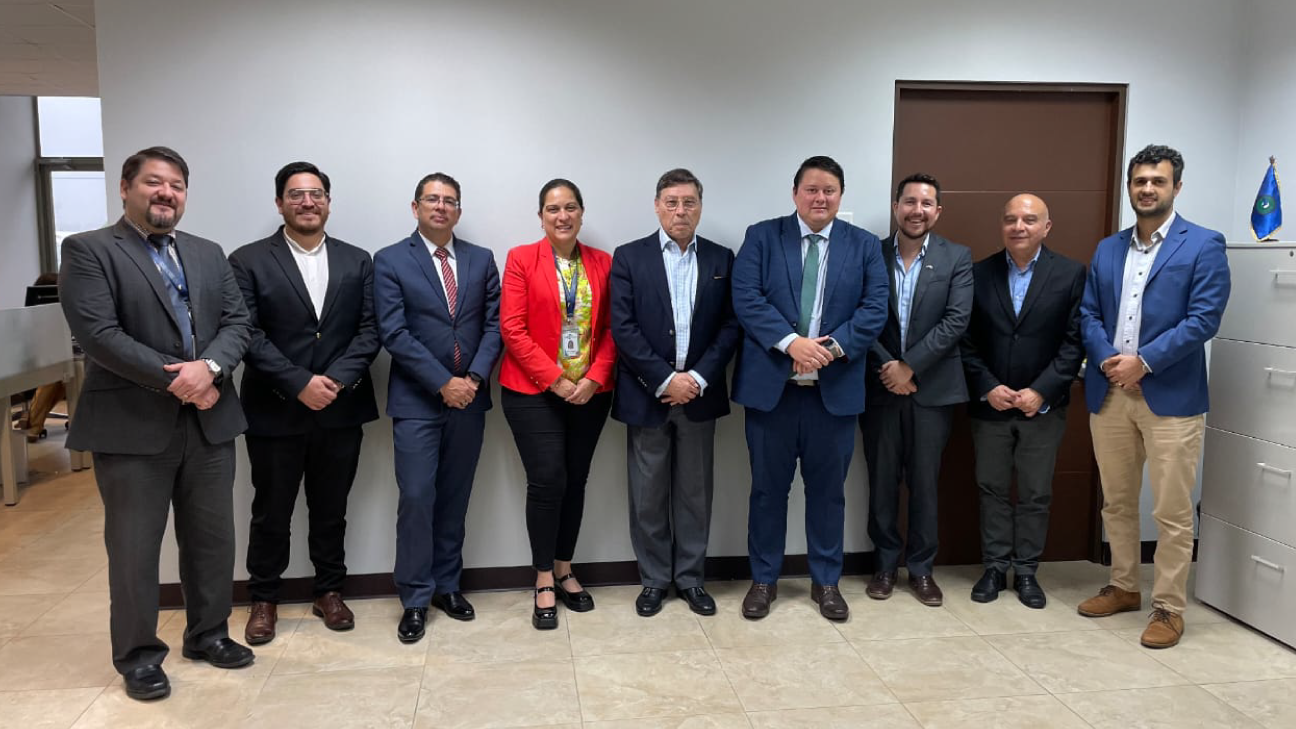
As part of the strategic actions of the BELLA II project, representatives from RedCLARA carried out a mission to Costa Rica aimed at strengthening alliances that support the country’s integration into the regional digital ecosystem and enhance its contribution to digital transformation processes in Latin America and the Caribbean.