


Cases & Voices
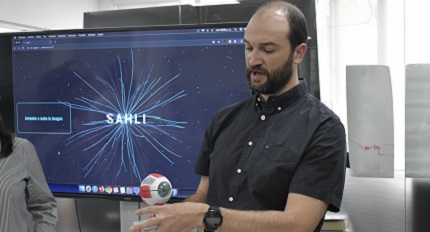
Thanks to an alliance between the Simón Bolívar University's MacondoLab, Cofca, Atlantic Governor, CaribeTIC and RENATA Colombia*, patients will be able to detect eye disease in time through a robot designed for this purpose. SAHLI, spanish acronym for "Autonomous Independent Reading Skills System" can diagnose four types of human retinal disorders in 10 to 20 seconds with 99% reliability.

As part of the celebrations for the 50th anniversary of Internet, the Internet pioneer in Latin America and member of the Hall of Fame of Internet Society, Ermanno Pietrosemoli, provided to the collaborators of the Internet House of Latin America and the Caribbean, in Montevideo, Uruguay, a talk about Internet of Things and its applications.
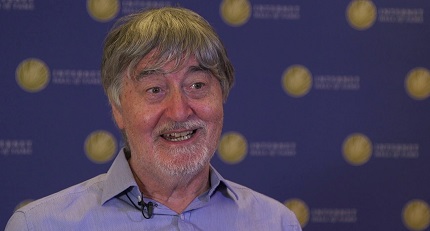
The new member of the Internet Hall of Fame is an "old friend" of RedCLARA. Michael Stanton has been linked to the Latin American network since its creation, and his role in the development of it has been evidenced during the ALICE, ALICE2, ELLA and BELLA projects. His collaborative spirit is recognized by everyone who has been part of the formation, maintenance and growth of the regional network. Husband, father, grandfather, friend, teacher and network expert are some of the words that define him, and his recent addition to the Internet Hall of Fame is, for those who know him, a well-deserved award for his brilliant contribution and trajectory. In this interview, Stanton reviews his career, comments on the projects in which he is currently involved and leaves a message for young people who want to make history on the Internet, just as he has done.
María José López Pourailly
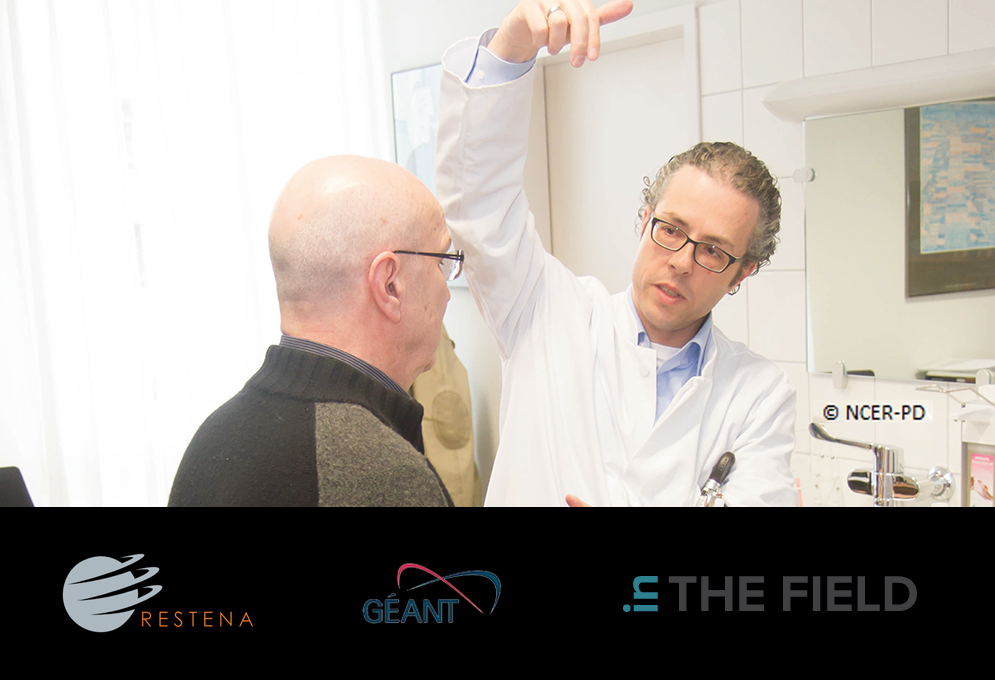
Important research being carried out in the University of Luxembourg’s Luxembourg Centre for Systems Biomedicine (LCSB) on Parkinson’s Disease is having a global impact. Global electronics giant Phillips and Portabilis came to LCSB to help them find the missing piece of the puzzle in their quest to develop a combined sensor to prevent falls in Parkinson’s patients. Phillips already had a sensor that could detect a fall and alert for help. But researchers believed that a combined sensor would make it possible to recognise an acute risk of falling before it happened and generate early enough alerts to call for help at the same time.
María José López Pourailly
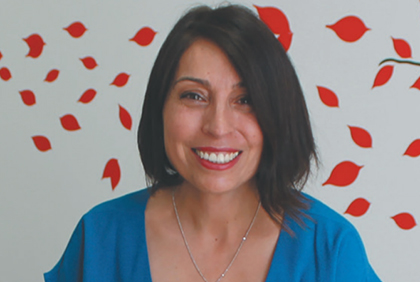
(This piece is a CONNECT Interview, made by Rosanna Norman to Paola Arellano, original title: “CONNECT Interview: Paola Arellano, Executive Director of REUNA”) REUNA is the National Research and Education Network of Chile. In conjunction with the celebrations of REUNA’s 25th anniversary, CONNECT speaks with Paola Arellano about the Chilean NREN’s role within the Latin American network RedCLARA and the global Research & Education community.
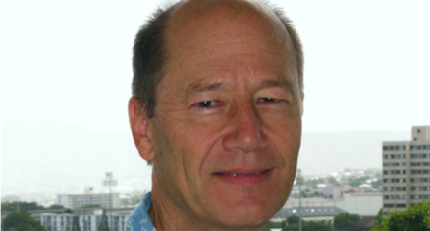
The American Bruce Howe, third international speaker confirmed in TICAL and the e-Science Meeting, will bring to the plenary sessions of the events an issue that is more relevant than ever: the possibilities for NREN contributions in environmental issues, especially climate change and its consequences, like tsunamis and earthquakes. In this interview, Howe, who is a Research Professor at the University of Hawaii at Manoa and president of the international task force known as the “SMART Cable Initiative” (Science Monitoring And Reliable Telecommunication) shares his experience in the area and gives his opinion on how advanced networks can be allies for the preservation of the environment.