


Cases & Voices

Luiz Rasseli/ Ixchel Perez

Reelected as the Chairman of SCALAC's Board of Directors for a second consecutive term, Philippe Olivier Alexandre Navaux is a born leader with a passion for science and technology, committed at the service of transforming society. His talent and discipline have made him a reference in the field of High-Performance Computing (HPC) in Latin America and the Caribbean.
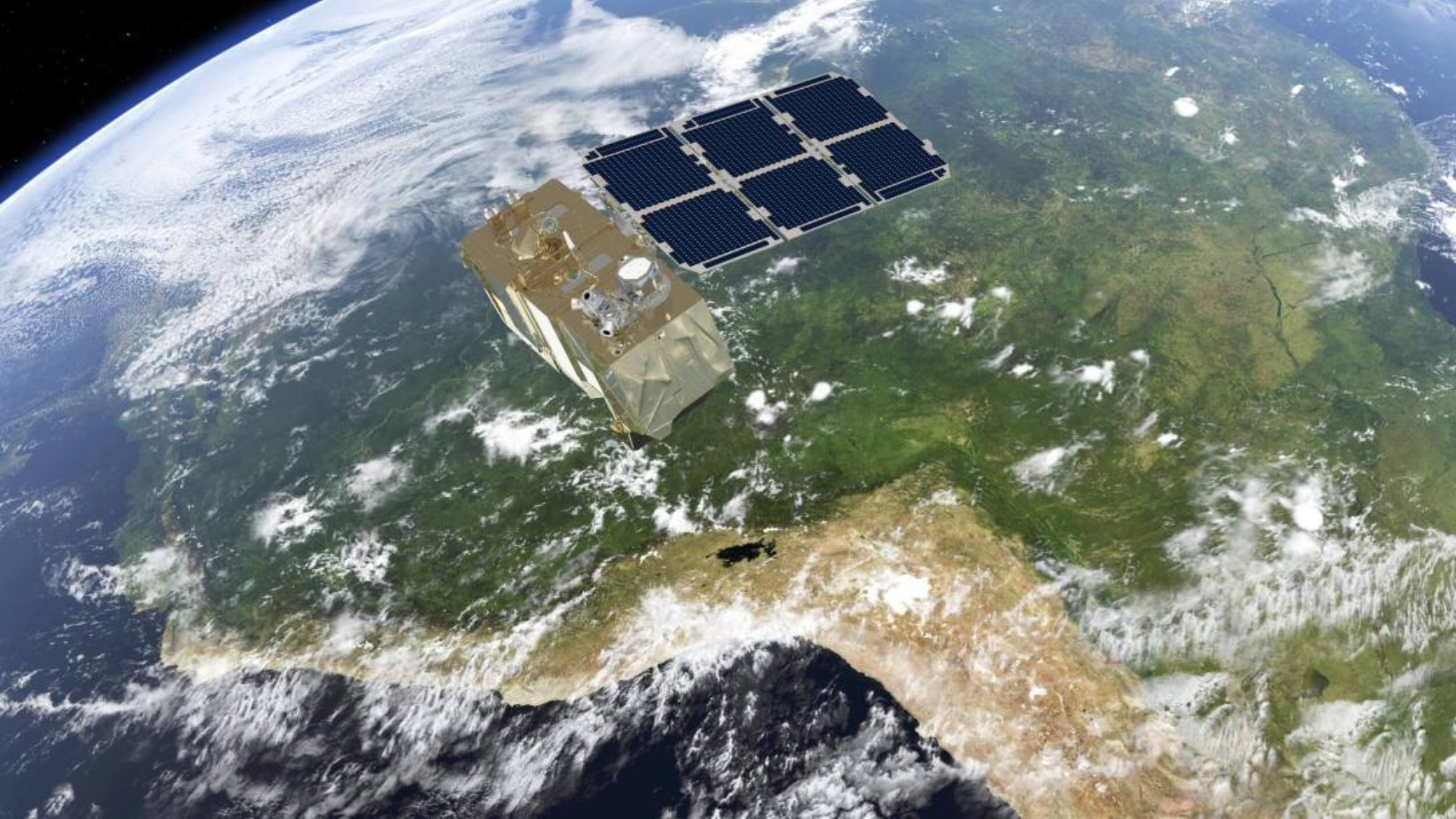
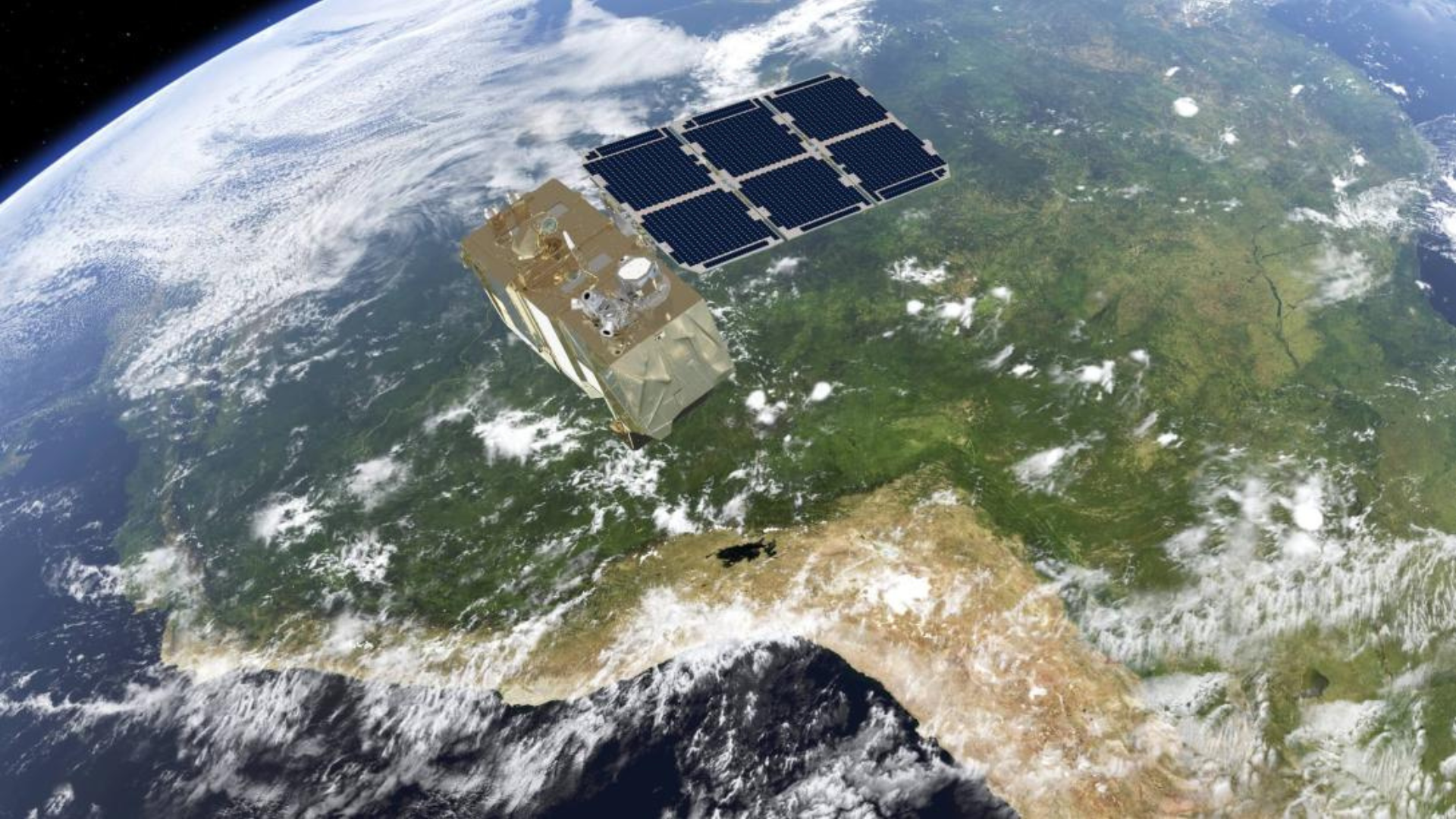
Nivardo Ibarra is excited to return to Panama with a new skill. He recently learned how to create radar satellite images using the European Union's Copernicus programme's Earth observation technology.
Jenny Flores
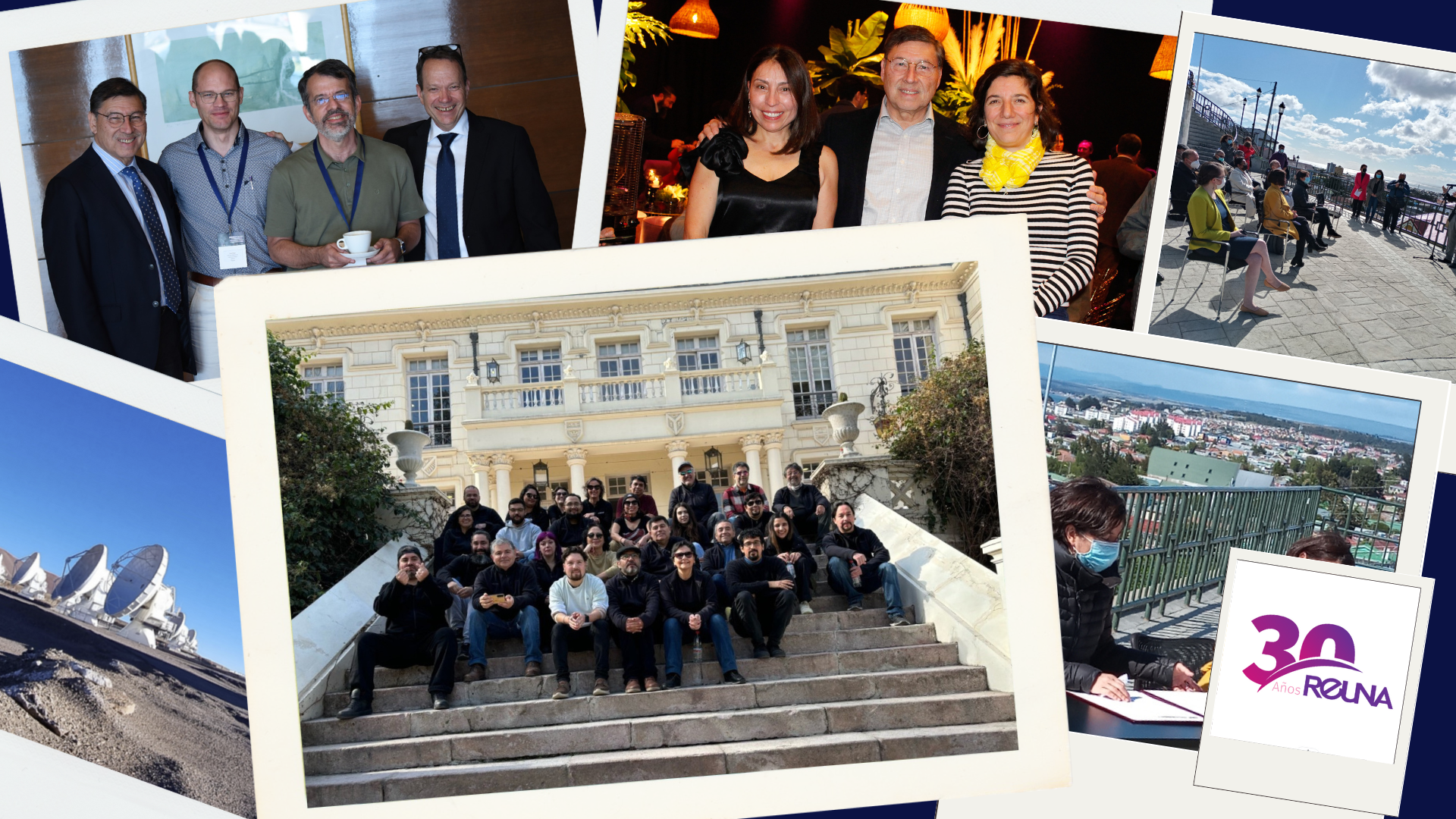
Since its creation in 1990, the National University Network (REUNA) has been a fundamental pillar in the scientific and educational transformation of Chile. As a founding member of RedCLARA, REUNA has facilitated connections between universities and research institutions in Chile and around the world over the course of 30 years. It has also promoted critical projects and collaborations in areas such as digital transformation, telemedicine, cybersecurity, high-performance computing, and earth observation, driving significant advancements. As it celebrates its past successes, REUNA is determined to face future challenges by focusing on expanding its impact across the country, supporting the academic and research community, and strengthening its network of partners and alliances.
Jenny Flores
SCALAC has successfully transformed supercomputing in Latin America by providing a platform that stimulates research and innovation.

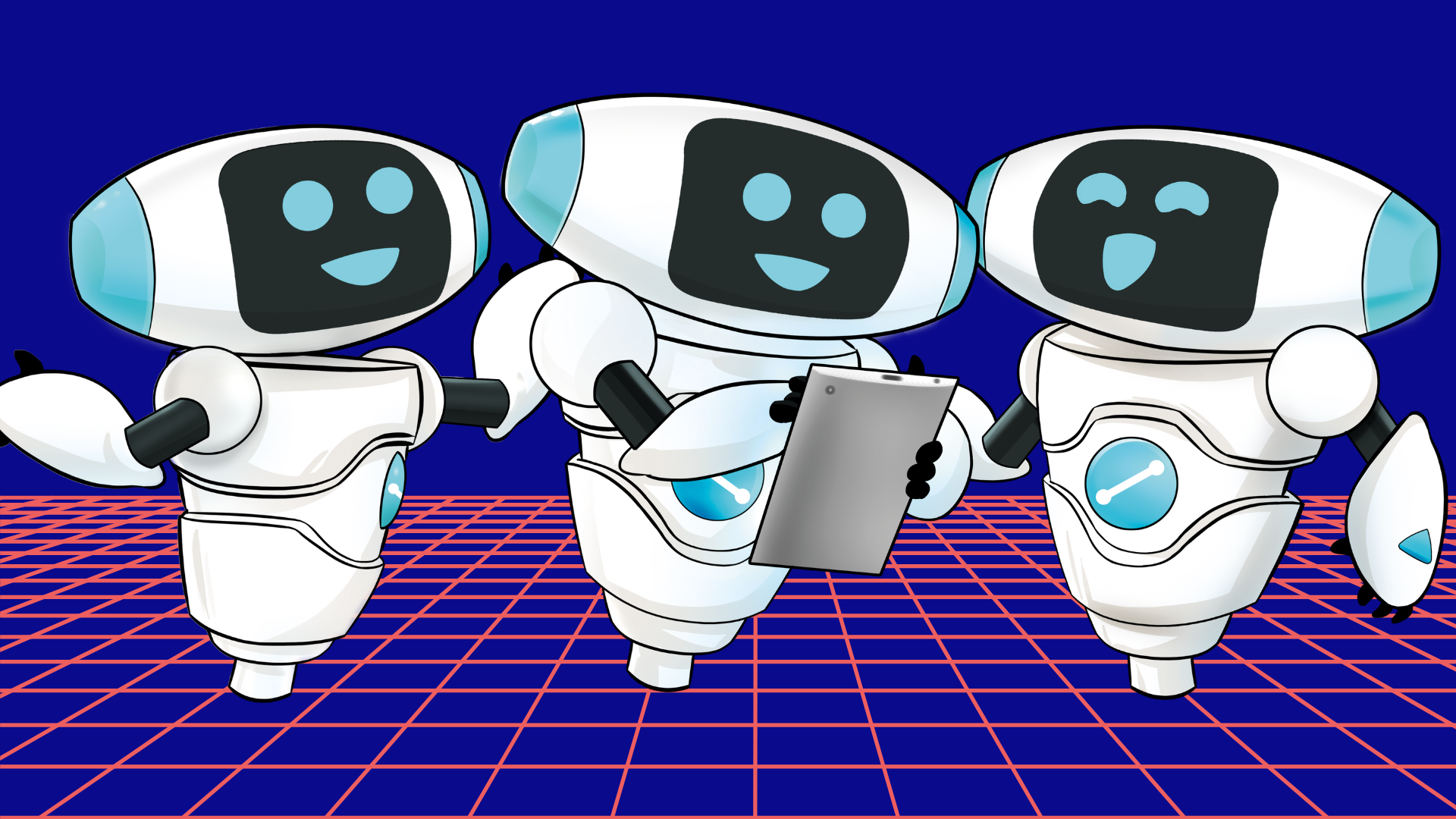
The boom of Artificial Intelligence (AI) and the countless possibilities it opens up in the world of research and education inevitably brought an important question: How can National Research and Education Networks (NRENs) practically benefit from this technology revolutionizing the world? Among the many possible answers, a project from the Brazilian network, RNP, offers an exciting path: the virtual assistant Ipezinho.
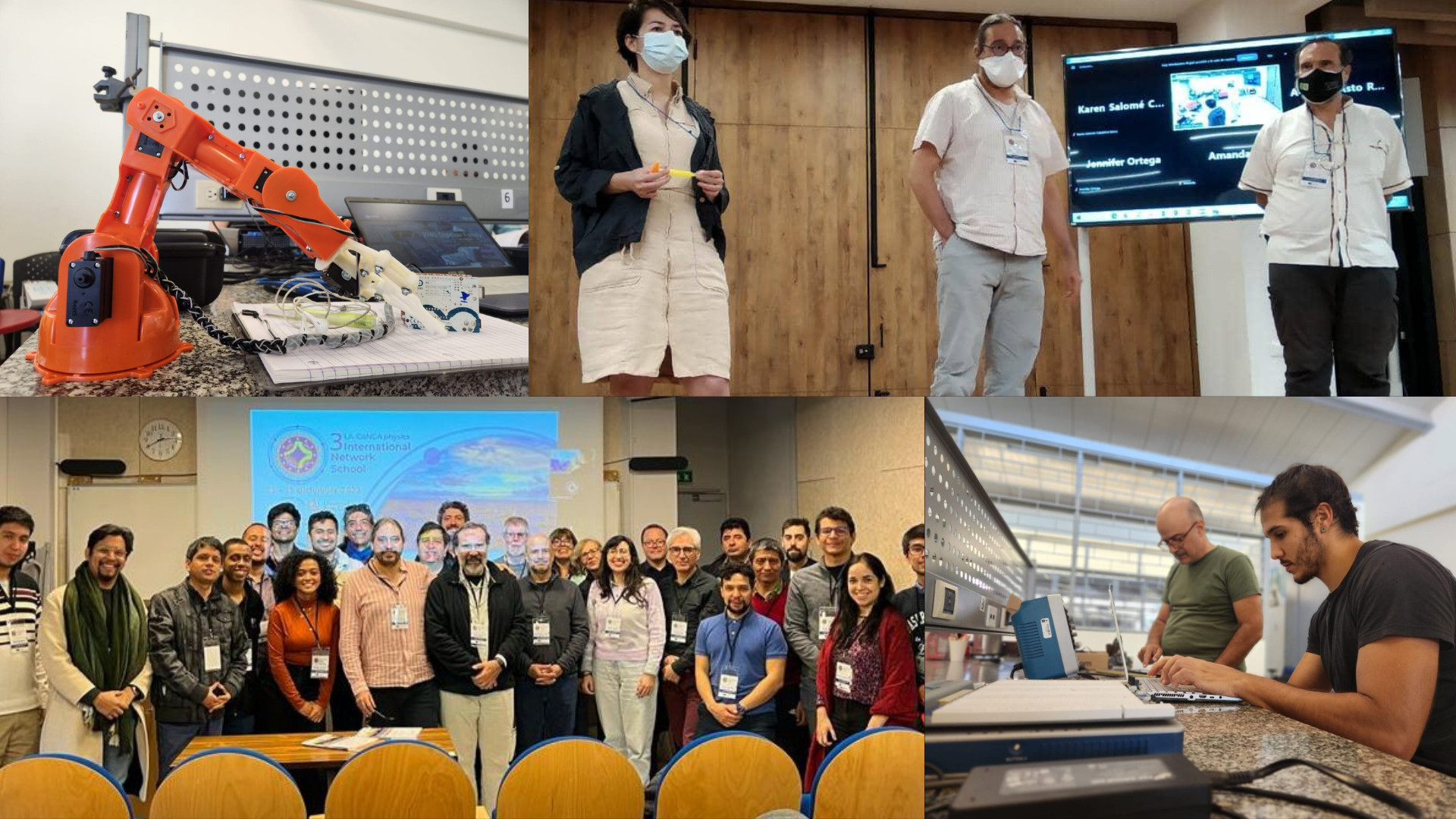
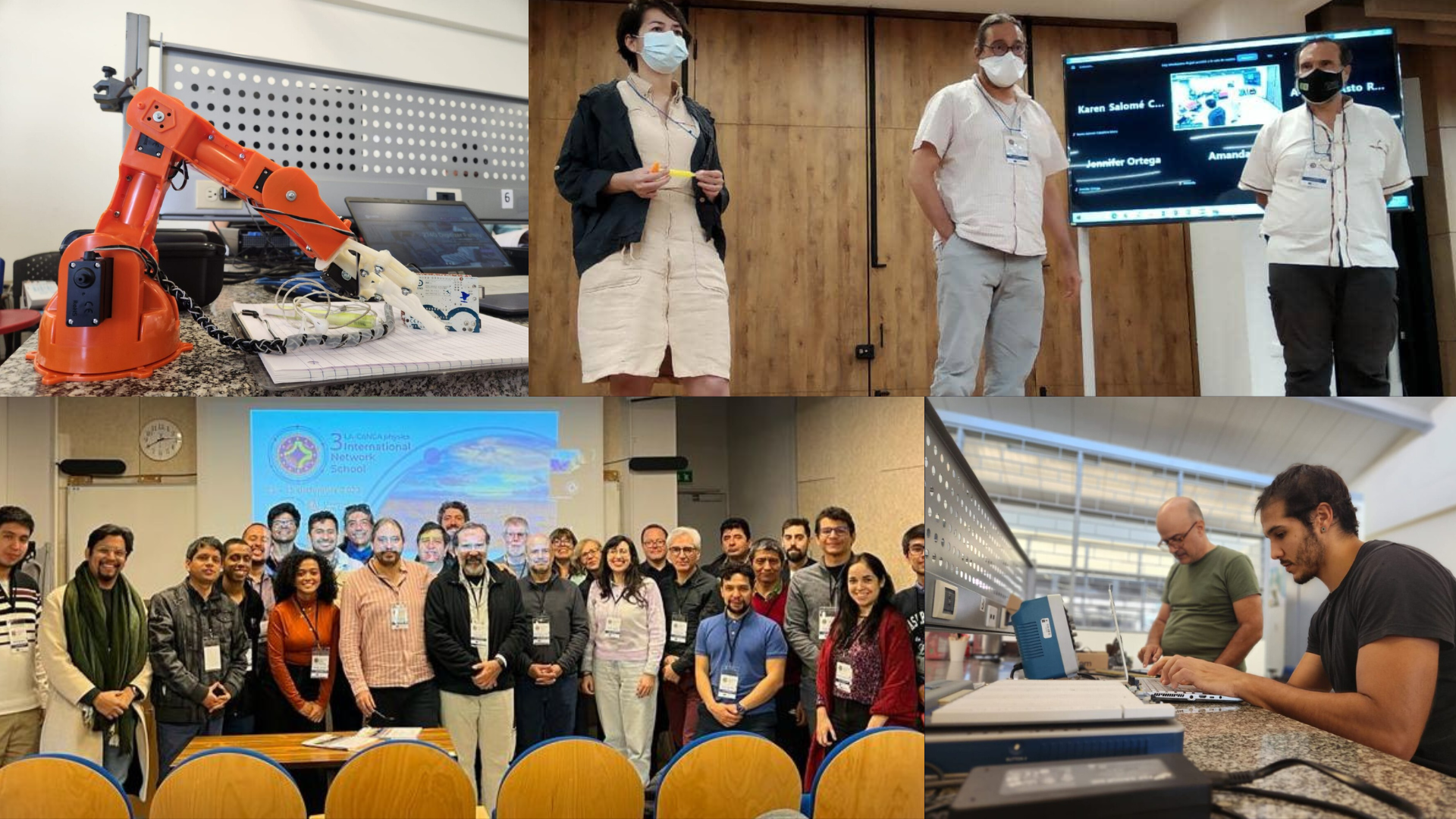
"Never despise small beginnings" seems a fitting adage to describe the inception and impact of the Latin American Alliance for Capacity Building in Advanced Physics, or simply LA-CoNGA Physics, a project that has been working since 2020 to build capacity for the use of supercomputing in the study of astroparticles in the region.